Blog
The latest news, best practices, and deep dives into AI agent red teaming, adaptive security testing, and shipping agents that hold up in production.
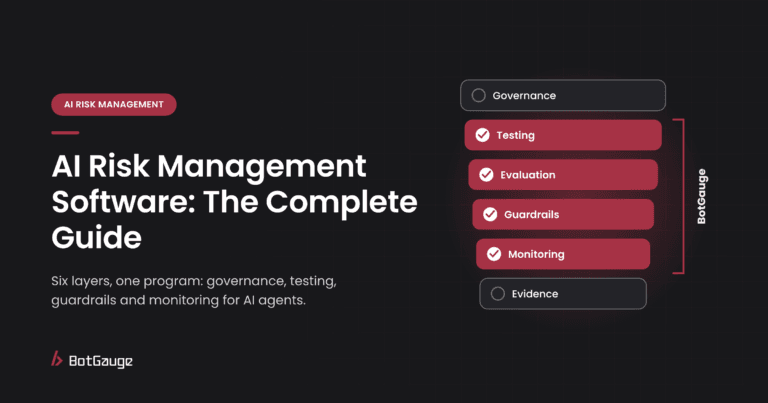


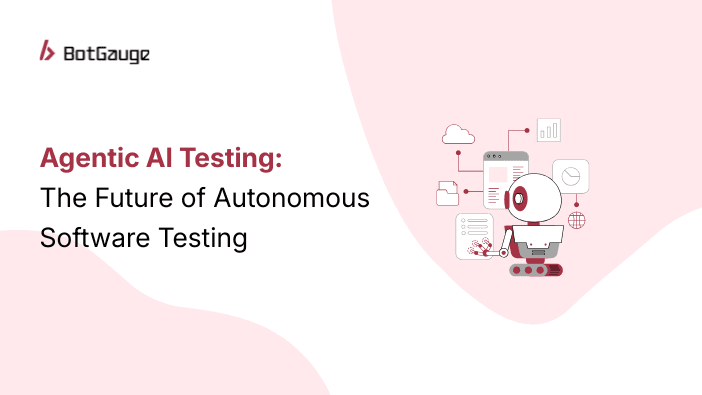
Agentic AI Testing: The Future of Autonomous Software Testing
Traditional automation follows predefined instructions. Agentic AI testing enables intelligent agents to understand application behavior, adapt to changes, investigate failures, and continuously improve test execution. The result is faster releases, more reliable testing, and less manual QA effort.
10 Best Website Testing Tools To Look For In 2026
Website testing tools have evolved from script-heavy automation frameworks to AI-powered platforms that generate, execute, and maintain tests automatically. Explore the top website testing tools and discover how they help teams improve coverage, reduce maintenance, and release software with confidence.
Top 10 Testim Alternatives for Smarter Test Automation in 2026
Many teams evaluate Testim alternatives to reduce maintenance overhead, improve test reliability, and accelerate releases. In this guide, we compare the top Testim alternatives and examine how modern AI-powered testing platforms help teams automate quality assurance more efficiently.
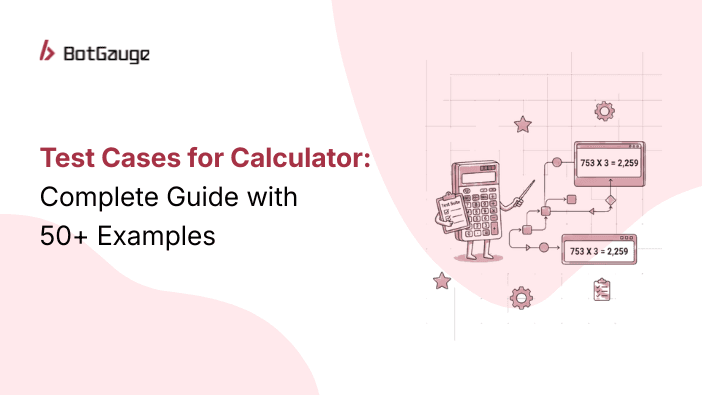
Test Cases for Calculator: Complete Guide with 50+ Examples
Test Cases for Calculator applications provide a simple yet powerful way to learn software testing fundamentals. From basic operations and boundary conditions to invalid inputs and usability checks, this guide covers the key test scenarios needed to verify calculator functionality and reliability.
Outsourcing vs In-house Software Testing: Which Is Best For You
The outsourcing vs in-house software testing decision affects how quickly teams ship features, scale QA efforts, and control costs. Explore the strengths, limitations, and ideal use cases of each approach to build a testing strategy that supports long-term product quality and growth.
Self-healing Test Automation: How AI Eliminates Maintenance
Traditional test automation breaks when applications change. Self-healing test automation uses AI to detect UI updates, adapt tests automatically, and maintain reliable coverage without constant script updates. Learn how self-healing AI reduces maintenance overhead and accelerates software delivery.
Playwright vs BotGauge: Which To Choose In 2026
When evaluating Playwright vs BotGauge, the key question is whether your team wants to manage test automation or outsource testing outcomes. This comparison examines how Playwright's code-driven framework stacks up against BotGauge's AI-powered Autonomous QA model across test creation, maintenance, execution, and reporting.
Top 10 Playwright Alternatives in 2026 for Faster Testing
Many teams adopt Playwright to build reliable UI tests, but growing automation complexity and maintenance demands often lead them to evaluate other options. Discover the top Playwright alternatives and learn how modern AI-powered testing platforms reduce maintenance, improve test stability, and accelerate software releases.
How Does System Testing Work? Types, Process, and Examples
System testing helps teams verify that all components of an application work together as intended. By evaluating the complete system in a production-like environment, organizations can detect integration issues, reduce release risks, and deliver higher-quality software with confidence.